
When a sudden toothache strikes at midnight or a sports injury chips your child’s tooth on Saturday morning, finding an emergency dentist Coral Springs FL becomes your top priority. However, dental emergencies don’t follow business hours, and knowing where to turn can mean the difference between saving or losing a tooth.
In fact, the American Dental Association reports that dental emergencies account for over 2 million emergency room visits annually nationwide. Meanwhile, many of these cases could be better treated at a specialized dental facility equipped with the proper tools and expertise. For instance, our practice has helped countless Coral Springs residents navigate urgent dental situations, providing immediate relief when time is critical.
Why Emergency Dental Care Matters
Dental emergencies range from severe infections and knocked-out teeth to broken crowns and uncontrollable bleeding. Because permanent tooth loss can occur within 30-60 minutes of trauma according to the National Institutes of Health, immediate professional intervention is crucial. Additionally, untreated dental infections can spread to other parts of the body, creating serious health complications beyond your mouth.
Common urgent dental situations include:
- Severe toothaches indicating infection or abscess
- Knocked-out or loosened teeth from accidents or sports injuries
- Broken or cracked teeth exposing sensitive nerves
- Lost fillings or crowns leaving teeth vulnerable
- Soft tissue injuries to gums, lips, or cheeks
- Jaw pain or suspected fractures
Our team provides comprehensive emergency dental care designed to address these critical situations promptly. For example, we’ve treated patients within minutes of tooth trauma, successfully reimplanting teeth that might otherwise have been lost. This comprehensive guide helps Coral Springs families navigate dental emergency situations with confidence.
From recognizing true emergencies to understanding treatment options and costs, you’ll discover everything needed to protect your smile when minutes matter most. For broader dental care information, explore our guide on general dentistry services in Coral Springs. Similarly, understanding pediatric dental health helps parents prepare for children’s urgent dental needs.
Emergency Dentist Coral Springs FL: Recognizing True Dental Emergencies
When you experience sudden oral pain or trauma, knowing whether you need urgent dental care can make the difference between saving and losing a tooth. However, not every dental issue requires immediate after-hours care. Understanding the distinction helps you respond appropriately and avoid unnecessary stress.
What Constitutes a True Dental Emergency
True dental emergencies involve severe pain, uncontrolled bleeding, or situations where immediate treatment affects your long-term oral health. According to the American Dental Association, approximately 22% of Americans have experienced oral pain in the past six months, but only a fraction of these cases qualify as genuine emergencies.
Situations requiring immediate care include:
- Knocked-out permanent teeth (time-sensitive—best outcomes within 30 minutes)
- Severe toothaches with facial swelling or fever
- Uncontrolled bleeding from the mouth
- Fractured or broken teeth with exposed nerves
- Dental abscesses with visible swelling or pus
- Jaw injuries or suspected fractures
- Soft tissue lacerations requiring stitches
Emergency Types and Response Protocols
Knocked-Out Teeth: First, handle the tooth by the crown only, never the root. Rinse gently with water if dirty, then try to reinsert it into the socket. If that’s not possible, store it in milk or saliva and seek care within 60 minutes. Studies show teeth reimplanted within 30 minutes have an 85-97% success rate.
Severe Toothaches: Meanwhile, rinse your mouth with warm salt water and take over-the-counter pain medication. If swelling occurs, apply a cold compress externally. Fever or facial swelling indicates a possible abscess requiring same-day treatment.
Broken or Fractured Teeth: Save any fragments and rinse your mouth with warm water. For bleeding, apply gauze for 10 minutes. Sharp edges can be covered with dental wax temporarily.
Abscesses: These bacterial infections appear as painful, swollen bumps on the gums. In fact, untreated abscesses can spread to other body parts, making them true medical emergencies. Rinse with mild salt water until you receive professional care.
When You Can Wait
Non-emergency situations include minor chips without pain, lost fillings or crowns without discomfort, dull toothaches without swelling, or food stuck between teeth. These issues warrant prompt attention but can typically wait for regular office hours.
For comprehensive guidance on routine and urgent dental needs, visit our emergency dentistry services page.

What to Expect During Your Emergency Dental Visit
When you contact an urgent dental clinic, the process begins with a phone triage to assess the severity of your condition. The receptionist will ask targeted questions about your symptoms, pain level, and any visible damage to determine how quickly you need to be seen. Most practices offer same-day appointments for genuine emergencies, with many extending hours into evenings and weekends to accommodate urgent cases.
Initial Assessment and Diagnostic Procedures
Upon arrival, you’ll complete brief paperwork or update existing records. However, the clinical team prioritizes getting you comfortable and managing pain first. The dentist will perform a thorough visual examination of the affected area, checking for swelling, discoloration, or structural damage.
Digital X-rays are typically the next step, providing detailed images that reveal:
- Hidden fractures or cracks in tooth structure
- Infection or abscess formation below the gum line
- Bone damage from trauma
- Position of impacted or displaced teeth
These diagnostic tools allow the dentist to create an accurate treatment plan on the spot. In fact, according to the American Dental Association, digital radiography reduces radiation exposure by up to 80% compared to traditional film X-rays while delivering instant results.
Pain Management and Treatment Options
First, the team addresses your immediate discomfort. Pain management may include local anesthesia, prescription medications, or sedation options depending on the procedure complexity. The dentist will explain each treatment option and associated tier levels before proceeding.
Common emergency treatments include tooth extractions, root canal therapy, temporary crowns, abscess drainage, or splinting for knocked-out teeth. For comprehensive information about ongoing dental care, visit our general dentistry services page.
Follow-Up Care and Next Steps
Before you leave, you’ll receive detailed aftercare instructions, prescriptions if needed, and a follow-up appointment schedule. The office will also provide emergency contact information should complications arise outside regular hours. Most emergency visits last 60-90 minutes from arrival to discharge, ensuring you receive thorough care without unnecessary delays.
Common Emergency Dental Treatments and Procedures
When you visit an urgent dental clinic, the treatment you receive depends entirely on your specific injury or condition. However, understanding the most common procedures can help ease anxiety and prepare you for what to expect during your urgent visit.
Tooth Extractions for Severe Damage
Sometimes a tooth is too damaged to save. In these cases, extraction becomes necessary to prevent infection from spreading to surrounding tissue. The procedure involves numbing the area with local anesthesia, then carefully removing the tooth using specialized instruments. Most patients experience minimal discomfort during the extraction itself, though recovery typically takes 3-7 days. You’ll receive detailed aftercare instructions to prevent complications like dry socket.
Emergency Root Canal Therapy
Root canals address infections deep within the tooth’s pulp chamber. Contrary to popular belief, modern root canal procedures are no more uncomfortable than getting a standard filling. Your dentist removes the infected tissue, cleans the canal system, and seals it with a biocompatible material. The success rate for root canals exceeds 95% when performed promptly, making them highly effective at saving teeth that would otherwise require extraction.
Abscess Drainage and Treatment
Dental abscesses require immediate attention because they can spread to your jaw, neck, or even bloodstream. The procedure involves making a small incision to drain accumulated pus, followed by thorough cleaning of the infected area. Antibiotics are typically prescribed to eliminate remaining bacteria. Most patients feel significant relief within 24-48 hours after drainage.
Tooth Reimplantation After Avulsion
For knocked-out permanent teeth, reimplantation offers the best chance of saving the tooth. Success rates drop dramatically after 30 minutes outside the mouth, which is why immediate care matters. The dentist gently cleans the tooth, repositions it in the socket, and stabilizes it with a splint for 7-10 days. Studies show that teeth reimplanted within 5 minutes have an 85-97% success rate.
Dental Bonding for Fractures
Chipped or fractured teeth often respond well to composite bonding. This procedure uses tooth-colored resin material to rebuild the damaged structure. The dentist etches the tooth surface, applies bonding agent, then sculpts and hardens the composite with a special light. The entire process usually takes 30-60 minutes per tooth, with results lasting 5-10 years with proper care.
Soft Tissue Repair
Cuts to the lips, gums, or tongue may require sutures to promote proper healing. Your dentist will clean the wound, apply local anesthesia, and use dissolvable stitches that typically disappear within 7-14 days. For deeper lacerations, you might need advanced oral surgery techniques to ensure optimal healing and minimize scarring.
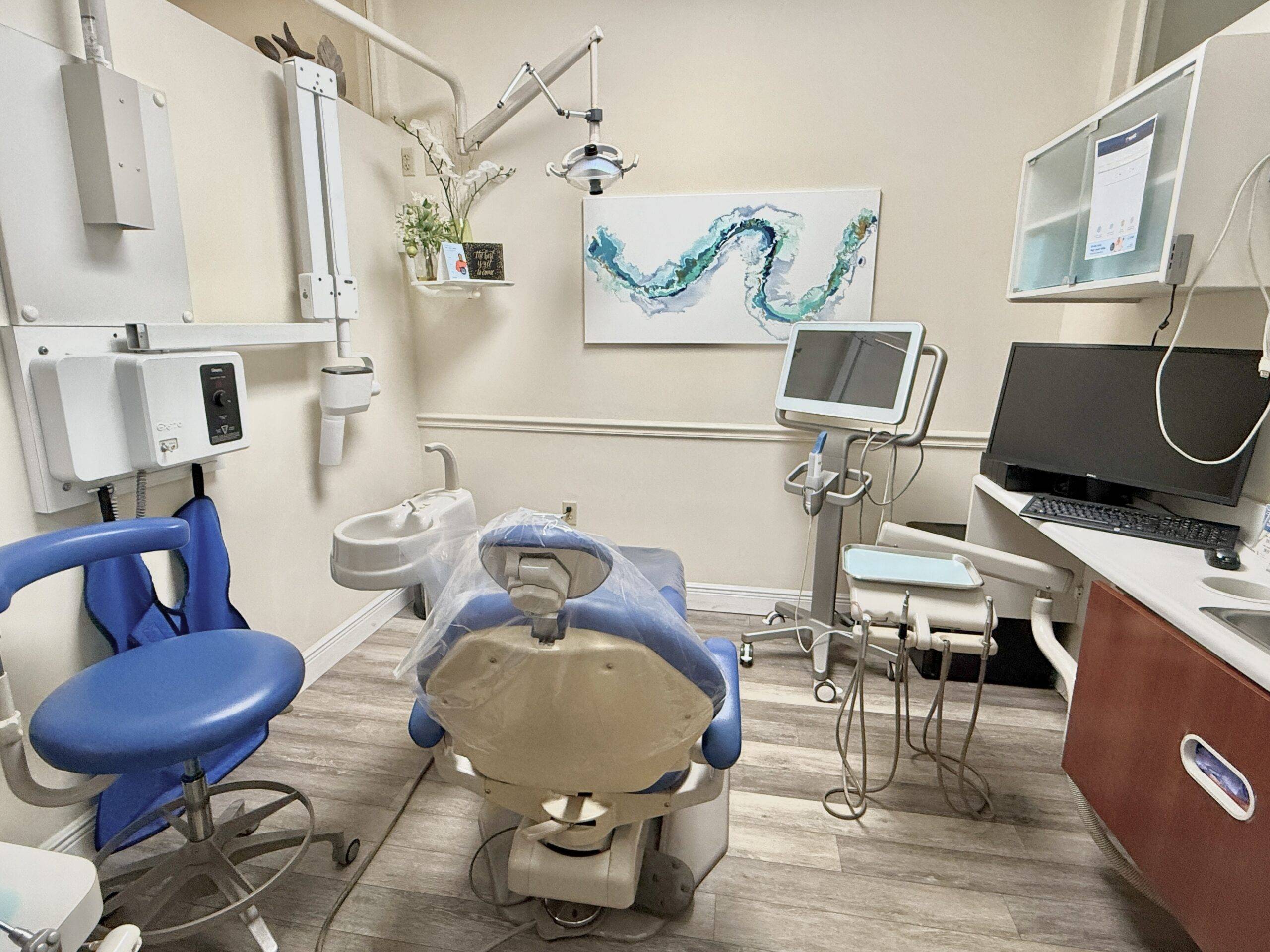
Choosing the Right Emergency Dentist Coral Springs FL for Your Family
When selecting an emergency dentist Coral Springs FL, families need a provider who combines clinical expertise with genuine accessibility during urgent situations. However, not all emergency dental practices offer the same level of care or convenience. Understanding what separates exceptional providers from average ones helps you make an informed decision before a crisis strikes.
Essential Credentials and Experience to Verify
First, confirm your emergency dentist holds current Florida licensure and board certification from the American Dental Association. Look for providers with at least 10 years of clinical experience handling urgent cases like knocked-out teeth, severe infections, and traumatic injuries. In addition, advanced training in sedation dentistry and oral surgery indicates a practice equipped to manage complex emergencies without referring you elsewhere.
Technology and Treatment Capabilities
Modern emergency dental care relies on advanced diagnostic tools. Specifically, digital X-rays reduce radiation exposure by up to 90% compared to traditional film while providing instant results. Meanwhile, practices offering same-day crowns through CEREC technology can restore damaged teeth in a single visit. For instance, 3D imaging helps dentists identify hidden fractures or infections that conventional X-rays might miss.
Availability and Accessibility Factors
Because dental emergencies don’t follow business hours, prioritize practices offering:
- Extended weekday hours beyond standard 9-to-5 schedules
- Weekend availability for Saturday or Sunday appointments
- 24/7 emergency hotlines for after-hours triage and guidance
- Same-day appointment slots reserved specifically for urgent cases
Insurance, Reviews, and Location
Next, verify the practice accepts your dental insurance plan and offers transparent pricing for uninsured patients. Patient reviews on Google and Healthgrades reveal real experiences with wait times, pain management, and staff responsiveness. Finally, choose a conveniently located office within 15 minutes of your home—proximity matters when you’re dealing with severe tooth pain or facial trauma.
For comprehensive emergency care backed by decades of experience, explore our emergency dentistry services or learn more about our general dentistry approach to preventive care.
Cost and Insurance Considerations for Emergency Dental Care
When you need urgent dental treatment, understanding the financial aspects helps you make informed decisions during stressful situations. However, emergency dental costs vary significantly based on the complexity of your condition, the time of day, and the specific treatments required.
Understanding Emergency Dental Treatment Tiers
Emergency procedures fall into distinct pricing categories. Entry-tier services typically include simple examinations, X-rays, and minor pain relief treatments. Standard-tier care covers straightforward extractions, basic restorations, and temporary crown placements. Mid-tier procedures involve more complex extractions, root canal therapy, and advanced restorative work.
Upper-tier treatments address severe trauma requiring multiple procedures or specialized techniques. Finally, premium-tier care encompasses complex surgical interventions, full-arch reconstructions, or cases requiring sedation and extensive follow-up care.
| Treatment Category | Complexity Level | Typical Procedures |
|---|---|---|
| Entry-Tier | Basic diagnostic | Exam, X-rays, consultation |
| Standard-Tier | Simple intervention | Single extraction, temporary filling |
| Mid-Tier | Moderate complexity | Root canal, crown repair, abscess treatment |
| Upper-Tier | Advanced treatment | Complex extraction, multiple repairs |
| Premium-Tier | Surgical/specialized | Trauma reconstruction, surgical procedures |
Insurance Coverage and Payment Options
Most dental insurance plans cover 50-80% of emergency procedures after deductibles, according to the National Association of Dental Plans. However, coverage limits typically range from $1,000 to $2,000 annually. Therefore, understanding your specific policy details before an emergency occurs proves invaluable.
Key factors affecting your emergency dental costs include:
- Time of service (after-hours visits often carry additional fees)
- Diagnostic imaging requirements (panoramic X-rays versus standard films)
- Sedation or anesthesia needs
- Complexity of the underlying condition
- Materials used for restorations or repairs
Flexible Financing Solutions
Many practices offer payment plans that break larger treatments into manageable monthly installments. In addition, third-party healthcare financing companies provide options with promotional periods featuring reduced or zero interest rates. For instance, CareCredit and LendingClub offer healthcare-specific credit lines that many patients find helpful.
If you’re seeking an emergency dental provider, ask about their financial policies during your initial call. Furthermore, some offices provide courtesy insurance claim filing to streamline the reimbursement process. On the other hand, patients without insurance can often negotiate cash-pay discounts for immediate payment.